

The Complete Guide to Apo Methylphenidate: Benefits and Risks Explained
When it comes to managing Attention Deficit Hyperactivity Disorder (ADHD) and narcolepsy, healthcare providers often prescribe stimulant medications like apo methylphenidate. This comprehensive guide will help you understand what this medication is, how it works, and what you need to know before starting treatment.
What Is Apo Methylphenidate?
Apo methylphenidate is a generic prescription medication containing methylphenidate as its active ingredient. It belongs to a class of drugs called central nervous system (CNS) stimulants, which work by affecting neurotransmitters in the brain that contribute to hyperactivity and impulse control.
The “Apo” prefix indicates that this medication is manufactured by Apotex, a well-known Canadian pharmaceutical company that produces affordable generic alternatives to brand-name medications. Apo methylphenidate is essentially the generic equivalent of brand-name Ritalin and other methylphenidate-based medications.
How Apo Methylphenidate Works in the Brain
Understanding how apo methylphenidate affects the brain can help you appreciate both its benefits and potential risks. The medication primarily works by:
- Increasing levels of dopamine and norepinephrine in the brain
- Blocking the reuptake of these neurotransmitters, keeping them active for longer
- Enhancing communication between neurons in brain regions responsible for attention and impulse control
This mechanism of action helps individuals with ADHD improve their focus, reduce impulsivity, and better regulate their activity levels. For those with narcolepsy, apo methylphenidate helps promote wakefulness and reduce sudden sleep attacks.
Medical Uses and Indications
Apo methylphenidate is primarily prescribed for two conditions:
ADHD Treatment
For children, adolescents, and adults diagnosed with ADHD, apo methylphenidate can help manage core symptoms including:
- Difficulty maintaining attention
- Hyperactivity
- Impulsive behavior
- Disorganization and difficulty completing tasks
Narcolepsy Management
For individuals with narcolepsy, apo methylphenidate helps:
- Reduce excessive daytime sleepiness
- Decrease the frequency of sudden sleep attacks
- Improve overall alertness during waking hours
Dosage Guidelines and Administration
The dosage of apo methylphenidate varies based on several factors including age, condition being treated, and individual response to the medication. Healthcare providers typically start with a low dose and gradually adjust based on effectiveness and tolerance.
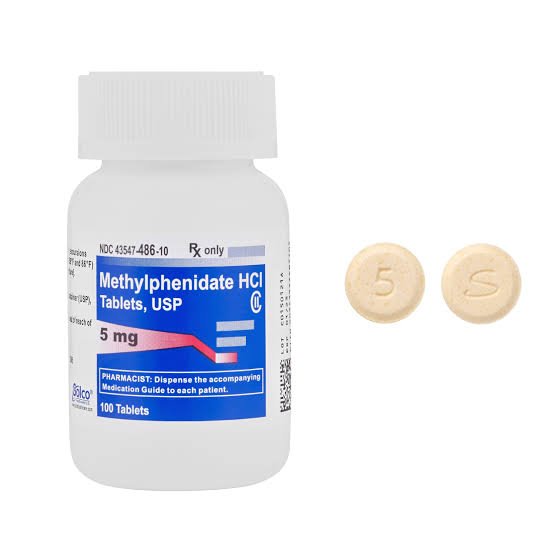
For ADHD treatment in children, dosages usually begin at 5 mg taken once or twice daily. For adults, starting doses might be higher, with adjustments made as needed. The medication is available in both immediate-release and extended-release formulations, with the latter providing symptom control for longer periods.
It’s important to take apo methylphenidate exactly as prescribed, typically 30-45 minutes before meals. Taking it too late in the day can interfere with sleep, so most healthcare providers recommend taking the last dose no later than early afternoon.
Potential Side Effects and How to Manage Them
Like all medications, apo methylphenidate can cause side effects. Common ones include:
- Decreased appetite
- Difficulty sleeping (insomnia)
- Headaches
- Stomach upset or nausea
- Increased heart rate and blood pressure
- Anxiety or irritability
These side effects often decrease as your body adjusts to the medication. However, if they persist or worsen, consulting your healthcare provider is advisable.
More serious but less common side effects that require immediate medical attention include:
- Chest pain or shortness of breath
- Severe anxiety or paranoia
- Unusual behavior changes
- Signs of circulation problems in fingers or toes
Safety Precautions and Contraindications
Apo methylphenidate isn’t suitable for everyone. Before starting this medication, inform your healthcare provider about any:
- Heart conditions or high blood pressure
- History of mental health disorders
- Substance abuse issues
- Glaucoma
- Thyroid problems
- Seizure disorders
This medication should also be used cautiously during pregnancy and breastfeeding, as its effects on developing babies aren’t fully understood.
Risk of Dependence and Proper Use
As a stimulant medication, apo methylphenidate carries a risk of dependence and misuse, particularly when taken at higher doses than prescribed or by individuals without ADHD or narcolepsy. To minimize these risks:
- Follow your prescription exactly
- Never share your medication with others
- Store it securely where others can’t access it
- Discuss any concerns about dependence with your healthcare provider
Interactions with Other Medications
Apo methylphenidate can interact with various medications, potentially altering their effectiveness or increasing side effects. Significant interactions include:
- Certain antidepressants
- Blood pressure medications
- Seizure medications
- Antacids (which can affect absorption)
- Other stimulants
Always provide your healthcare provider with a complete list of medications and supplements you’re taking before starting apo methylphenidate.
Lifestyle Considerations While Taking Apo Methylphenidate
To maximize the benefits of apo methylphenidate while minimizing risks:
- Maintain consistent sleep schedules
- Eat regular meals, as appetite suppression is common
- Stay hydrated
- Avoid caffeine and other stimulants
- Monitor your heart rate and blood pressure regularly
- Keep all follow-up appointments with your healthcare provider
When to Seek Medical Help
Contact your healthcare provider if you experience:
- Worsening of ADHD symptoms
- New or concerning side effects
- Signs of an allergic reaction (rash, swelling, difficulty breathing)
- Thoughts of self-harm
In emergency situations such as chest pain, severe headache, or fainting, seek immediate medical attention.
Apo Methylphenidate vs. Other ADHD Medications
Apo methylphenidate is just one option among several ADHD medications. Compared to amphetamine-based medications like Adderall, some patients find that methylphenidate provides smoother symptom control with fewer side effects. However, individual responses vary significantly, and finding the right medication often requires some trial and error.
For those exploring treatment options, our product page offers information about various ADHD medications and alternative approaches to symptom management.
Legal and Regulatory Status
In Canada, apo methylphenidate is regulated under the Controlled Drugs and Substances Act as a Schedule III substance. This means it requires a prescription and is subject to specific storage and dispensing requirements. For more information about regulatory guidelines, visit https://www.canada.ca.
Conclusion
Apo methylphenidate can be an effective treatment for ADHD and narcolepsy when used appropriately under medical supervision. Understanding how it works, its potential side effects, and safety precautions is essential for anyone considering or currently taking this medication.
While this guide provides comprehensive information, it doesn’t replace professional medical advice. Always consult with healthcare providers for personalized recommendations based on your health history and specific needs.
Would you like more information about non-medication approaches to managing ADHD symptoms or details about other treatment options that might complement apo methylphenidate therapy?


Reviews
There are no reviews yet.