
The Dangerous Truth About 2CB HBr vs HCL: Risks You Must Understand
When exploring psychoactive substances, understanding the differences between chemical forms is crucial for harm reduction and safety. The comparison of 2CB HBr vs HCL represents one such important distinction that users should understand before considering any interaction with these substances.
Understanding 2CB: The Base Compound
Before diving into the specific differences between 2CB HBr vs HCL, it’s important to understand what 2CB actually is. 2CB (2,5-dimethoxy-4-bromophenethylamine) is a synthetic psychedelic substance first developed in the 1970s. It belongs to the phenethylamine class and produces both psychedelic and mild stimulant effects.
The substance is known for producing visual distortions, enhanced sensory perception, and emotional shifts at lower doses, with more intense hallucinogenic effects at higher doses. The duration of effects typically ranges from 4-8 hours depending on dosage and individual factors.
Chemical Forms: HBr vs HCL Explained
The fundamental difference in the 2CB hbr vs hcl comparison comes down to the salt form of the compound. In chemistry, many basic compounds like 2CB can form different salts when combined with acids. These salt forms have distinct properties that affect how the substance behaves:
-
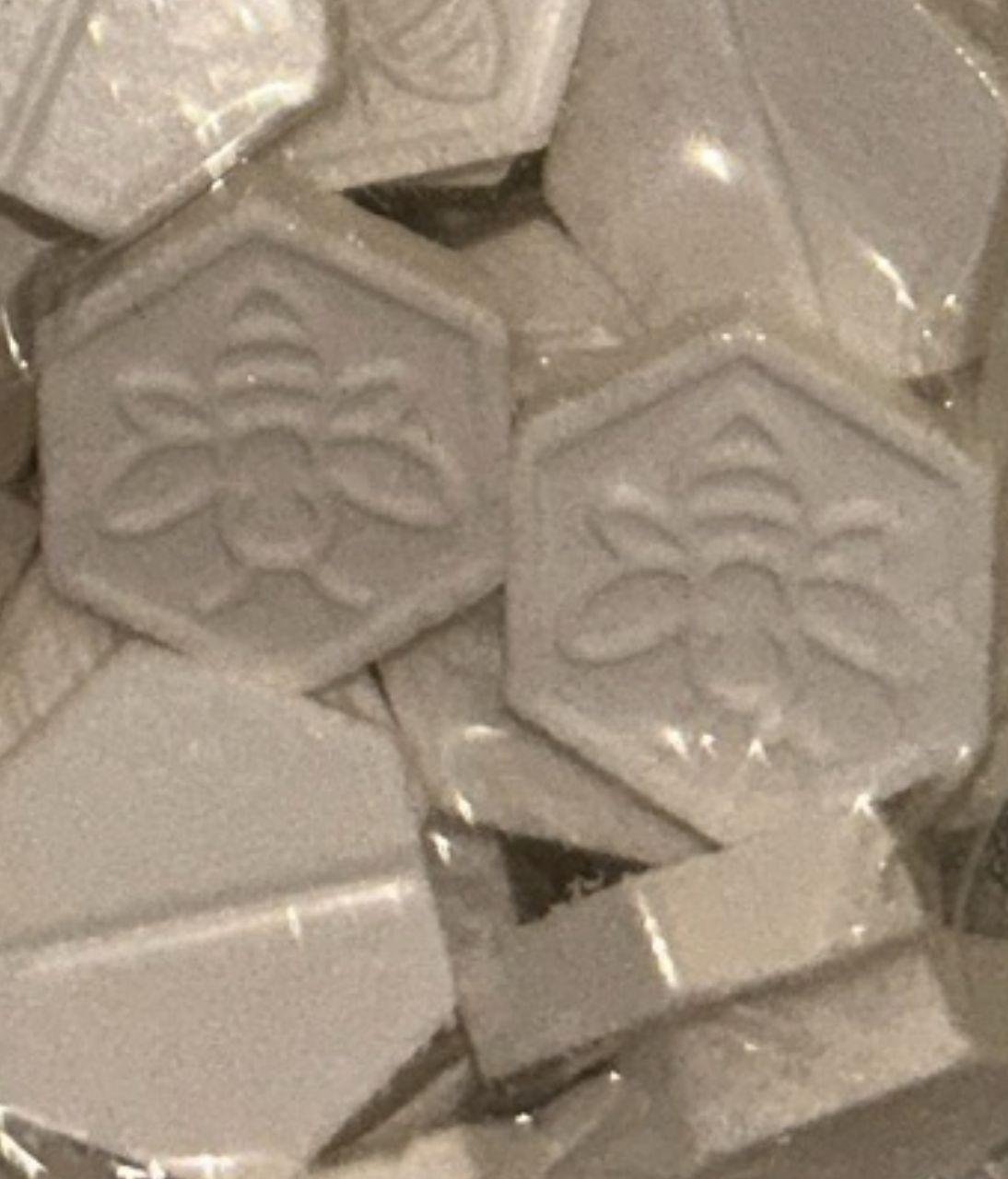
2CB HBr (Hydrobromide): This form results from combining 2CB with hydrobromic acid. It typically appears as an off-white crystalline powder that is less water-soluble than the HCL form.
-
2CB HCL (Hydrochloride): This form is created by combining 2CB with hydrochloric acid. It usually appears as a white crystalline powder with greater water solubility compared to the HBr form.
Physical and Chemical Properties
When comparing 2CB hbr vs hcl, several physical and chemical differences become apparent:
-
Solubility: The HCL form is generally more soluble in water, which affects how it can be administered and absorbed by the body.
-
Stability: Both forms are relatively stable under proper storage conditions, but may have different shelf lives and degradation patterns.
-
Molecular Weight: The HBr form has a slightly higher molecular weight due to the heavier bromine atom compared to chlorine in the HCL form.
-
Appearance: While both typically appear as crystalline powders, the HBr form often has a more off-white appearance compared to the typically whiter HCL form.
Effects and Potency Considerations
One of the most important aspects of the 2CB hbr vs hcl comparison is how these differences affect the substance’s potency and effects:
-
Dosage Equivalence: Due to the different molecular weights, the same weight of HBr and HCL forms contains slightly different amounts of the actual 2CB compound. This means dosages need to be adjusted accordingly.
-
Onset Time: The greater solubility of the HCL form may result in slightly faster absorption and onset of effects compared to the HBr form.
-
Duration: While both forms produce effects of similar duration, some users report slight variations in how long the effects last, though this is highly subjective and may be influenced by other factors.
-
Subjective Experience: Most experienced users report that the subjective effects of both forms are virtually identical when proper dosage adjustments are made for the molecular weight differences.
Safety Considerations and Risks
Regardless of the form, 2CB carries significant risks that users should understand:
-
Psychological Risks: Like other psychedelics, 2CB can trigger challenging experiences, anxiety, paranoia, or in rare cases, lasting psychological changes in susceptible individuals.
-
Physical Risks: While generally considered physically safer than some other substances, 2CB can still cause increased heart rate, blood pressure, and body temperature, posing risks to those with cardiovascular conditions.
-
Legal Status: In most countries, including Canada, 2CB is a controlled substance, meaning possession, production, or distribution can result in serious legal consequences.
-
Purity Concerns: Illicitly obtained substances of either form may contain impurities or adulterants that introduce additional risks.
Harm Reduction Approaches
For those who still choose to use despite the risks, understanding the 2CB hbr vs hcl differences can inform harm reduction approaches:
-
Dosage Awareness: Recognizing that different forms require different dosages helps prevent accidental overdosing.
-
Testing: Using reagent testing kits can help identify which form you have and check for dangerous adulterants.
-
Setting: Having a sober, trusted person present and using in a safe, comfortable environment can reduce risks.
-
Start Low, Go Slow: Regardless of form, starting with a low dose and waiting to assess effects before considering more is always advisable.
Legal Status in Canada
According to Canadian law under the Controlled Drugs and Substances Act, 2CB is classified as a Schedule III substance. This means:
- Possession is illegal and can result in criminal charges
- Production and distribution carry even more severe penalties
- Importing or exporting 2CB in either form is prohibited
For specific legal information, Canadians can consult official resources at https://www.canada.ca.
Scientific Research and Medical Potential
While primarily used recreationally, some research has explored 2CB’s potential therapeutic applications:
- Early studies suggested possible uses in psychotherapy before it was scheduled
- Some researchers continue to investigate its potential for various psychological conditions
- However, research is limited due to legal restrictions in most countries
Comparison to Other Substances
When considering the 2CB hbr vs hcl comparison, it’s helpful to understand how 2CB relates to other substances:
- Compared to MDMA: 2CB is less empathogenic and more psychedelic in its effects
- Compared to LSD: 2CB has a shorter duration and generally less intense visual effects
- Compared to Psilocybin: 2CB produces more stimulation and different visual patterns
Conclusion
Understanding the differences between 2CB hbr vs hcl forms is important for anyone seeking information about these substances. While the chemical differences may seem minor, they can affect how the substance is used, its potency, and potentially its effects.
However, it’s crucial to remember that regardless of form, 2CB carries significant risks and legal consequences. The safest approach is avoidance, but for those who still choose to use, understanding these differences can inform harm reduction strategies.
For those exploring psychoactive substances for personal growth or therapeutic purposes, our product page offers information about legal alternatives and safer approaches to consciousness exploration.
Would you like more information about harm reduction strategies or legal alternatives for exploring altered states of consciousness?
| Dosage | 1, 10, 50, 500 |
|---|
Be the first to review “The Dangerous Truth About 2CB HBr vs HCL: Risks You Must Understand”
Related products

Reviews
There are no reviews yet.