
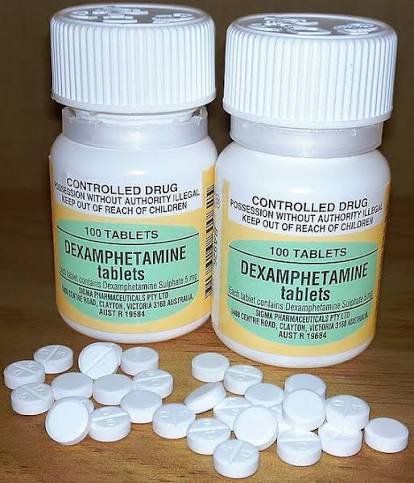
Amphetamine vs Dexamphetamine: Which ADHD Medication Performs Better?


$8.00
Amphetamine and dexamphetamine are both stimulant medications used to treat ADHD, but they have distinct differences in effectiveness and side effects. This guide helps you understand which medication might be more suitable for your specific need
Amphetamine vs Dexamphetamine: Which ADHD Medication Performs Better?
When it comes to treating Attention Deficit Hyperactivity Disorder (ADHD), patients and healthcare providers often face the decision between amphetamine and dexamphetamine. While these medications may sound similar, they have important differences that can affect their effectiveness and side effect profiles. This comprehensive comparison will help you understand the key distinctions between these stimulant medications.
Understanding the Chemical Differences
The fundamental difference between amphetamine and dexamphetamine lies in their chemical structure. Amphetamine exists as a mixture of two isomers: levoamphetamine and dexamphetamine. Dexamphetamine, on the other hand, consists solely of the dextro (right-handed) isomer.
This distinction is more than just chemical trivia—it has significant implications for how these medications work in the brain. Dexamphetamine is considered the more potent isomer, primarily affecting dopamine release and reuptake, while levoamphetamine has a stronger effect on norepinephrine. This difference in neurotransmitter targeting influences both the therapeutic effects and side effect profiles of these medications.
How Amphetamine vs Dexamphetamine Affect ADHD Symptoms
When comparing amphetamine vs dexamphetamine for ADHD treatment, research suggests some interesting differences in their effectiveness:
Dexamphetamine tends to be more effective for core ADHD symptoms like inattention, hyperactivity, and impulsivity
Amphetamine combinations may provide broader coverage of symptoms but with potentially more side effects
Some patients respond better to one formulation over the other for reasons that aren’t fully understood yet
The choice between these medications often comes down to individual patient response and tolerance. Some patients find that dexamphetamine provides smoother symptom control with fewer side effects, while others may need the combined formulation of amphetamine for optimal symptom management.
Duration of Action and Formulations
Both amphetamine and dexamphetamine come in various formulations with different durations of action:
Immediate-release formulations typically last 4-6 hours
Extended-release formulations can last 10-12 hours or longer
Some medications combine both immediate and extended-release components for more flexible symptom coverage
When comparing amphetamine vs dexamphetamine in terms of duration, there’s no inherent difference based on the chemical structure. The duration of action depends more on the specific formulation and delivery system rather than whether the medication contains dexamphetamine alone or a combination of amphetamine isomers.
Side Effect Profiles
The side effect profiles of these medications reflect their different mechanisms of action:
Common side effects of dexamphetamine may include:
Appetite suppression
Insomnia
Increased heart rate and blood pressure
Anxiety or irritability
Amphetamine combinations (which include both isomers) may cause additional side effects such as:
More pronounced peripheral effects (due to levoamphetamine’s influence on norepinephrine)
Potentially more cardiovascular side effects
Sometimes more “jittery” feelings compared to dexamphetamine
It’s worth noting that individual responses vary significantly, and some patients tolerate one formulation better than the other.
Dosage Considerations
When comparing amphetamine vs dexamphetamine, it’s important to understand that dosages aren’t directly equivalent. Because dexamphetamine is the more potent isomer, the therapeutic dose is typically lower than that of mixed amphetamine formulations.
According to Health Canada guidelines, healthcare providers typically start with lower doses of dexamphetamine and adjust based on patient response and tolerance. The goal is always to find the lowest effective dose that manages ADHD symptoms with minimal side effects.
Special Considerations for Different Patient Populations
The choice between amphetamine and dexamphetamine may depend on specific patient factors:
For patients with co-existing anxiety, dexamphetamine may be preferable due to its potentially lower impact on norepinephrine
For patients who need stronger symptom control, mixed amphetamine formulations might be more effective
Age, weight, and individual metabolism can affect how each medication works
Patients with certain cardiovascular conditions may need to avoid stimulants altogether or use them with caution
Making the Right Choice
Ultimately, the decision between amphetamine and dexamphetamine should be made in consultation with a healthcare provider who can evaluate your specific symptoms, medical history, and treatment goals. What works best for one person may not be ideal for another.
If you’re currently taking one formulation and experiencing side effects or inadequate symptom control, it might be worth discussing alternatives with your healthcare provider. Sometimes, switching from amphetamine to dexamphetamine (or vice versa) can make a significant difference in treatment outcomes.
Finding Quality ADHD Medications
For those seeking reliable sources of ADHD medications, it’s important to work with legitimate healthcare providers and pharmacies. Our product page offers resources and guidance on finding quality treatment options for ADHD and related conditions.
Remember that proper ADHD management typically involves more than just medication. Behavioral interventions, educational support, and lifestyle modifications all play important roles in comprehensive ADHD treatment.
Conclusion
When comparing amphetamine vs dexamphetamine for ADHD treatment, there’s no one-size-fits-all answer. Each has its advantages and potential drawbacks, and individual responses vary significantly. The key is working with a knowledgeable healthcare provider to find the right medication, dosage, and treatment approach for your specific needs.
By understanding these differences, patients can have more informed conversations with their healthcare providers and take a more active role in their treatment decisions. For more information about ADHD treatment options and resources, visit Health Canada’s official website at https://www.canada.ca.
Would you like more specific information about how these medications work in the brain or about non-medication approaches to managing ADHD symptoms?
| Dosage | 10mg |
|---|
Be the first to review “Amphetamine vs Dexamphetamine: Which ADHD Medication Performs Better?”
Related products



Reviews
There are no reviews yet.